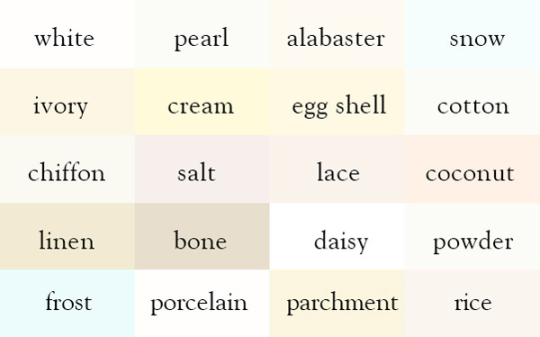
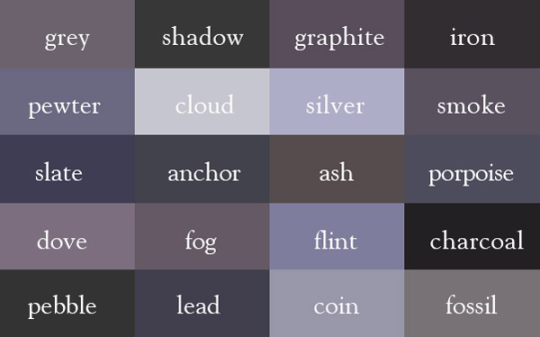
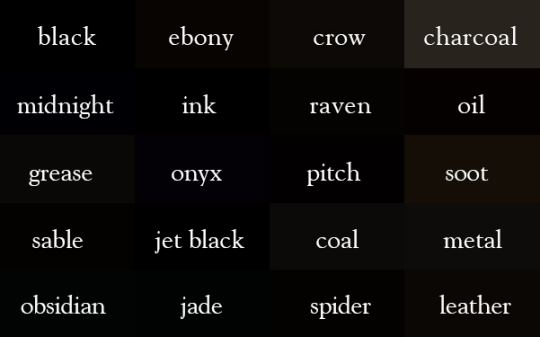
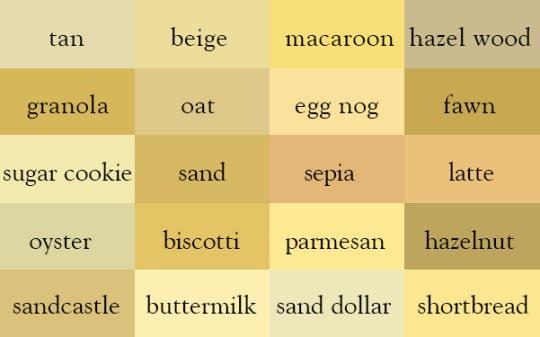
We’ve all been warned about the dangers of using too much description. Readers don’t want to read three paragraphs about a sunset, we’re told. Description slows down a story; it’s boring and self-indulgent. You should keep your description as short and simple as possible. For those who take a more scientific approach to writing fiction, arbitrary rules abound: One sentence per paragraph. One paragraph per page. And, for god’s sake, “Never open a book with weather” (Elmore Leonard).
But what this conventional wedding wisdom fails to take into account is the difference between static and dynamic description. Static description is usually boring. It exists almost like a painted backdrop to a play. As the name suggests, it doesn’t move, doesn’t interact or get interacted with.
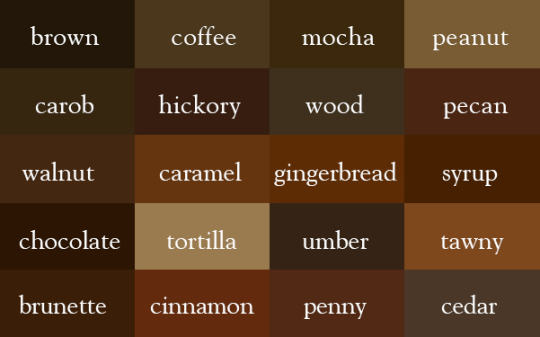
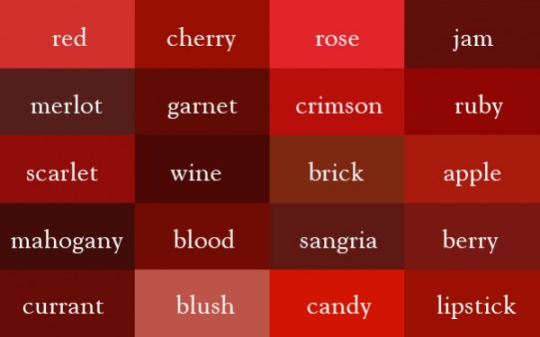
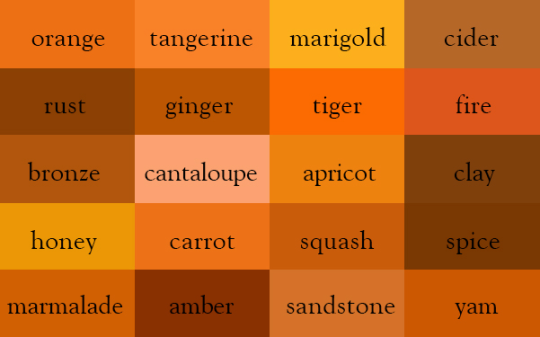
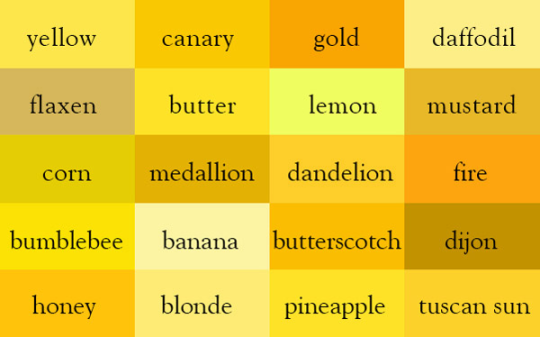
There were clouds in the sky. Her hair was red with hints of orange. The house had brown carpeting and yellow countertops.
In moderation, there’s nothing wrong with static description. Sometimes, facts are facts, and you need to communicate them to the reader in a straightforward manner.
But too much static description, and readers will start to skim forward. They don’t want to read about what the house looks like or the stormy weather or the hair color of each of your protagonist’s seventeen cousins.
Why? Because they can tell it’s not important. They can afford to skip all of your description because their understanding of the story will not be impacted.
That’s where dynamic description comes in. Dynamic description is a living entity. It’s interactive, it’s relevant. It takes on the voices of your narrators and characters. In short, it gives us important information about the story, and it can’t be skimmed over.
So how do you make your description more dynamic so that it engages your readers and adds color and excitement to your story? Here are a few tips.
(I have a TON more tips about setting and description. These are just a few. But I’m trying to keep this short, so if you have any questions or want more advice about this, please feel free to ask me.)
for the self-conscious beginner: No one makes great things
until the world intimately knows their mediocrity. Don’t think of
your writing as terrible; think of it as preparing to
contribute something great.
for the self-conscious late bloomer: Look at old writing as how far
you’ve come. You can’t get to where you are today without covering all
that past ground. For that, be proud.
for the perfectionist: Think about how much you complain about things you love—the mistakes and retcons in all your favorite series—and how you still love them anyway. Give yourself that same space.
for the realist: There will be people who hate your story even if
it’s considered a classic. But there will be people who love your
story, even if it is strange and unpopular.
for the fanfic writer: Your work isn’t lesser for not following canon. When you write, you’ve created a new work on its own. It can
be, but does not have to be, limited by the source material. Canon is not the
end-all, be-all.
for the writer’s blocked: It doesn’t need to be perfect. Sometimes you have to move on and commit a few writing sins if it means you can create better things out of it.
for the lost: You started writing for a reason; remember that
reason. It’s ok to move on. You are more than your writing. It will be here if you want to come back.
first law: write the fic you wish to see in the world aka goddammit do I have to do everything myself around here
second law: it’s going to be longer than you think. much longer. hahaha so long. why are you crying
third law: the time spent writing is inversely proportional to the amount of smut present, dammit
fourth law: flesh out your secondary characters. make them real people. have them take over. oh god. put them back. somebody please help
fifth law: the time spent researching canon is directly proportional to the amount of time you’ll spend altering your plot. that one person on the internet
sixth law: the time spent researching in general will eclipse the time you spend writing. the nsa agent monitoring your internet search history is curled up in a corner. his boss wants to know if you’re a threat. “I don’t know,” the agent sobs. “I just really don’t know.”
seventh law: at some point, someone will ask what your favorite hobby is. you will feign a heart attack to get away